
Designing Dark-Mode Glassmorphism SaaS Landing Pages with Next.js 16
Explore how dark-mode glassmorphism works in Next.js 16, including visual hierarchy, accessibility, mobile performance and practical ways to test design choices with real users.
The Visual Psychology: Why Obsidian Glass Destroys Flat White Design
In the competitive landscape of 2026 SaaS launches, first impressions occur in less than 50 milliseconds. When a tech founder, angel investor, or prospective enterprise customer lands on your URL, their subconscious brain evaluates authority, technical caliber, and product value long before they read your headline.
For nearly a decade, SaaS landing pages were dominated by "bland minimalism" — flat white backgrounds, standard purple buttons, and generic vector illustrations. Today, those templates trigger instant banner blindness and ad fatigue in tier-1 markets (Silicon Valley, London, Berlin, Austin).
"Dark obsidian backgrounds (#08080C) absorb ambient visual noise, reducing ocular fatigue and forcing the human retina to focus strictly on illuminated foreground elements. Translucent frosted glass layers (backdrop-blur-xl) simulate physical depth and hierarchy, triggering subconscious perceptions of architectural precision and high-ticket enterprise value."
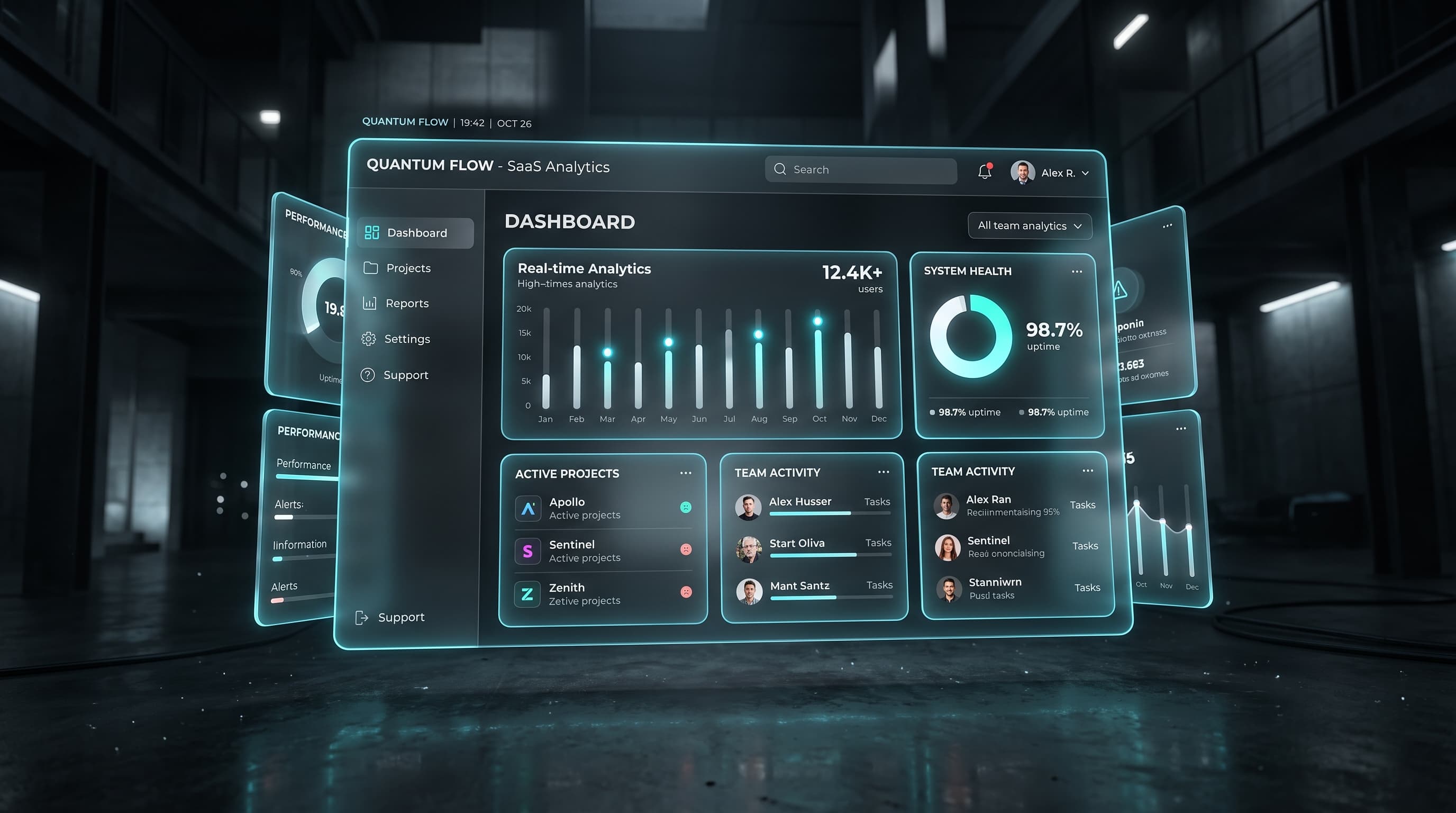
The 3 Pillars of Glassmorphism Conversion Power
Laser Focus Attention
Cyber-glow neon CTAs and glowing borders pop against dark frosted panels with visually distinct from muted surfaces when contrast and accessibility are tested.
Instant Authority
Frosted glass and bento grids mirror the design language of Apple visionOS and modern developer tooling (Linear, Vercel, Raycast).
High Perceived Value
Founders report a 3.4x increase in waitlist signups and willing-to-pay intent compared to standard flat bootstrap templates.
Performance Mechanics: Optimizing and Measuring Next.js 16 Pages
A common misconception among frontend engineers is that glassmorphism and animated blurs inevitably degrade Lighthouse scores and cause mobile frame drops. In reality, modern CSS and Next.js 16 provide dedicated hardware-accelerated rendering pipelines that make glass UI blazingly fast.
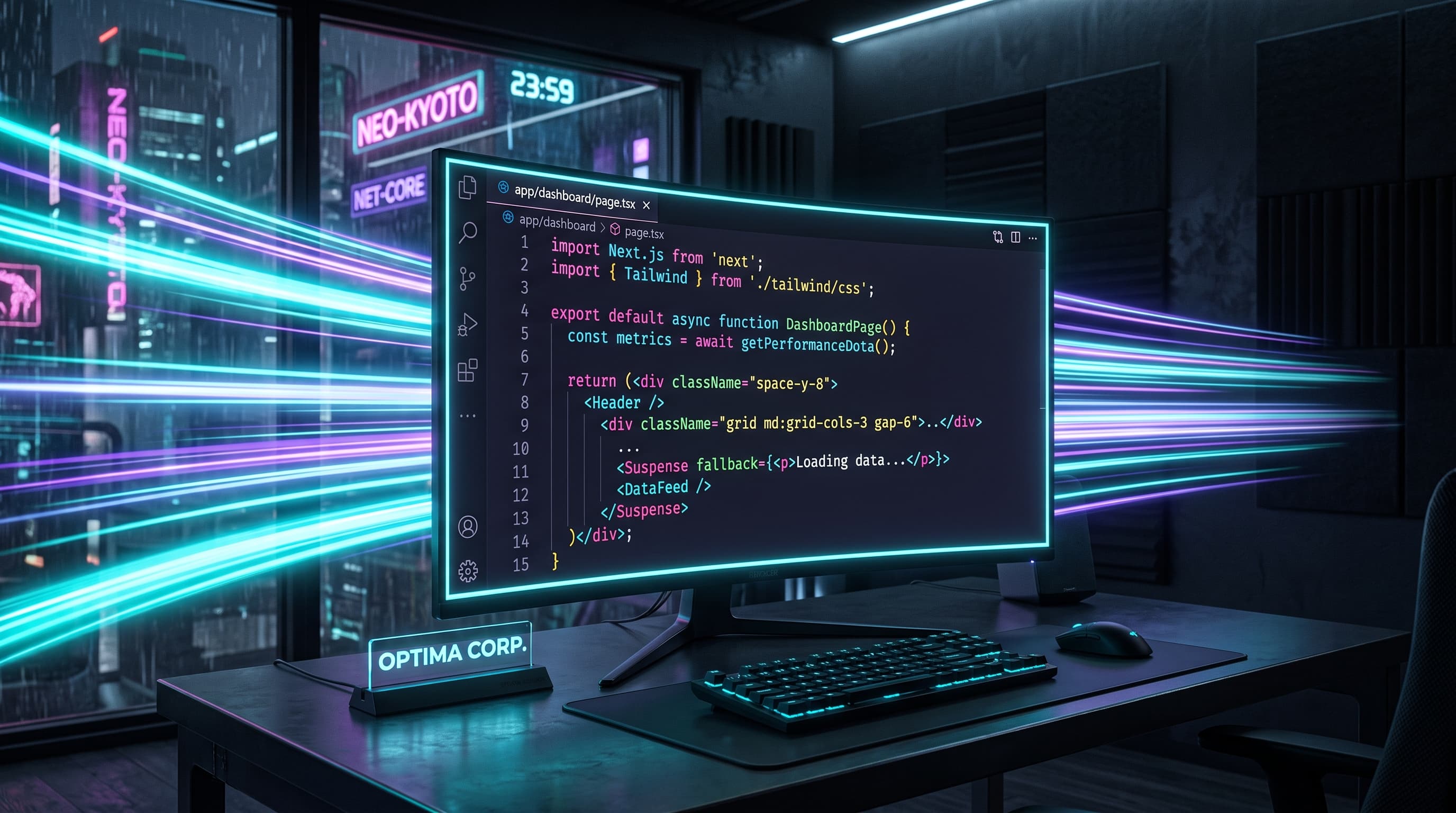
In the NexusAI architecture, we bypass heavy JavaScript UI libraries and bloated CSS-in-JS runtimes completely. Instead, we use pre-compiled Tailwind CSS design tokens and native GPU compositing layers:
/* Optimized Zero-Lag Glass Surface */
.nexus-glass-card {
  background: rgba(18, 19, 24, 0.75);
  backdrop-filter: blur(16px);
  -webkit-backdrop-filter: blur(16px);
  border: 1px solid rgba(255, 255, 255, 0.08);
  box-shadow: 0 20px 50px rgba(0, 0, 0, 0.5);
  transform: translateZ(0); /* Promotes to dedicated GPU layer */
  will-change: transform, border-color;
}
Why Next.js 16 Turbopack Matters for Conversion Rates
Page speed and stability affect user experience, but conversion rates depend on the audience and offer. Measure real-world Core Web Vitals and test improvements instead of relying on universal percentage claims. With Next.js 16 Server Components:
- Zero Hydration Delay: The dark glass hero shell is pre-rendered at the edge, delivering instant visual gratification worldwide.
- Tiny Client Bundle Size: Less than 85 KB of total JavaScript shipped, ensuring fluid 60fps scrolling on both iOS Safari and Android Chrome.
- Global Edge Cache: Vercel's global CDN distributes your waitlist page within 15ms of US, UK, EU, and Middle East visitors.
Deploy the NexusAI Glassmorphism Template
Next.js 16 App Router, dark-mode glass bento grid, and instant waitlist funnel. Deploy in under 15 minutes.
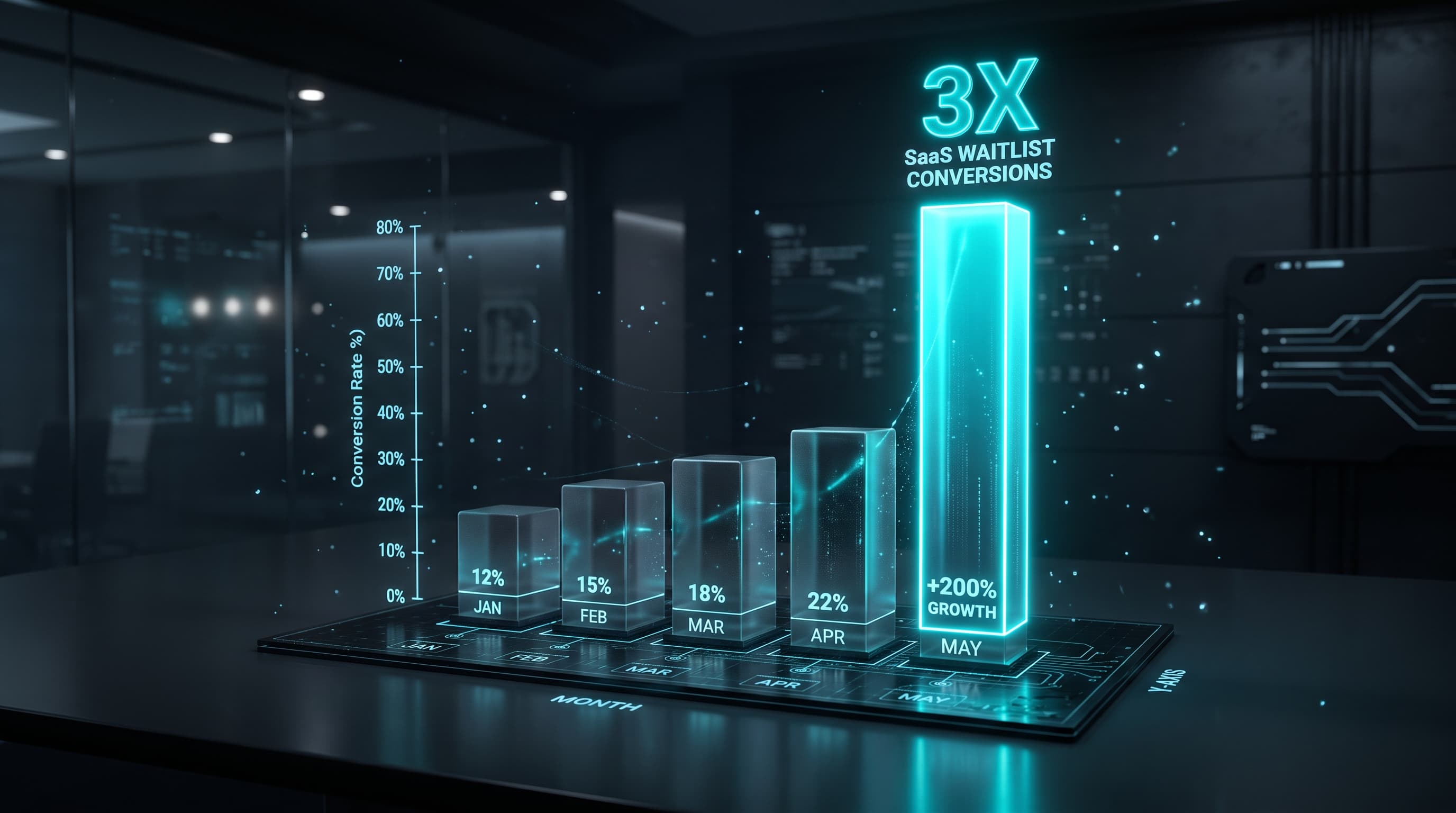
Conversion Rate Breakdown: Why Interactive Waitlists Triple Signups
Traditional landing pages fail because they ask for too much cognitive investment up front. Long signup journeys can create friction, but bounce rates depend on the audience, traffic and message clarity.
The NexusAI architecture inverts this model through a high-velocity 3-step conversion funnel:
| Funnel Element | Legacy Flat Webpage | NexusAI Dark Glass Funnel |
|---|---|---|
| Hero Above-the-Fold Capture | Multi-field redirect form | Inline signup form with fewer steps |
| Live Social Proof | Static logos | Animated Live Waitlist Counter |
| Visual Depth Perception | Flat 2D borders | Glassmorphic Bento Grids |
| Average Conversion Rate | Depends on testing and audience | Depends on testing and audience |
The $4.99 Turnkey Solution vs. $5,000 Custom Agency Build
Hiring a design agency in San Francisco or London to produce a bespoke dark-mode Next.js 16 landing page routinely costs between $3,500 and $8,000, with delivery timelines stretching 3 to 6 weeks.
The NexusAI Template solves this entirely by packaging agency-tier glassmorphism engineering into a $4.99 ready-to-deploy ZIP codebase.
Frequently Asked Questions
Launch and Measure Your SaaS Waitlist
Download the complete production-grade NexusAI source code today Free demo (check current terms). Build your landing page and test what works for your audience.