AI Product Video Ads for Ecommerce in 2026: Turn One Product Photo Into Three Commercial Styles
A product can look beautiful in a photograph and still struggle to capture attention in a fast-moving social media feed.
For ecommerce brands, the challenge is not simply producing more content. It is creating advertising that makes the product understandable, distinctive, and relevant to the right customer.
This is where AI-assisted commercial production can help. Instead of arranging three completely separate photoshoots, a brand can begin with one approved product photograph, develop several creative directions, and explore short-form video concepts before committing to a larger campaign.
But there is an important distinction: AI can expand creative possibilities, but it cannot replace accurate product representation, thoughtful art direction, or marketing strategy.
In this guide, we will explore three different advertising styles for the same fictional fragrance product, explain a practical production workflow, and show how ecommerce businesses can decide which creative direction deserves testing.
Why Ecommerce Brands Need More Than Attractive Product Photography
Traditional product photographs remain essential for online stores. Customers need to see the actual packaging, size, finish, and visible product details before making a purchase. Clear photography helps answer those questions.
Video serves a different purpose. A short commercial can introduce atmosphere, reveal details through movement, and communicate how a product fits into a customer's lifestyle.
Shopify's 2026 guidance identifies several useful video formats for ecommerce businesses, including product demonstrations, brand storytelling, and short-form social content. The best creative approach depends on what the brand is trying to achieve.
Premium Fragrance
Benefits from cinematic lighting, refractive caustics, and emotional sensory storytelling.
Skincare & Beauty
Requires a clear demonstration of pump packaging, texture viscosities, and application rituals.
Fine Jewellery & Watches
Demands sharp macro close-ups that emphasize craftsmanship, pavé setting, and metallic luster.
The key question is not: "How can we make this product look expensive?"
A better question is: "What should the customer understand or feel after watching this advertisement?" That answer should guide the creative brief.
Three AI Commercial Styles From One Product Photo
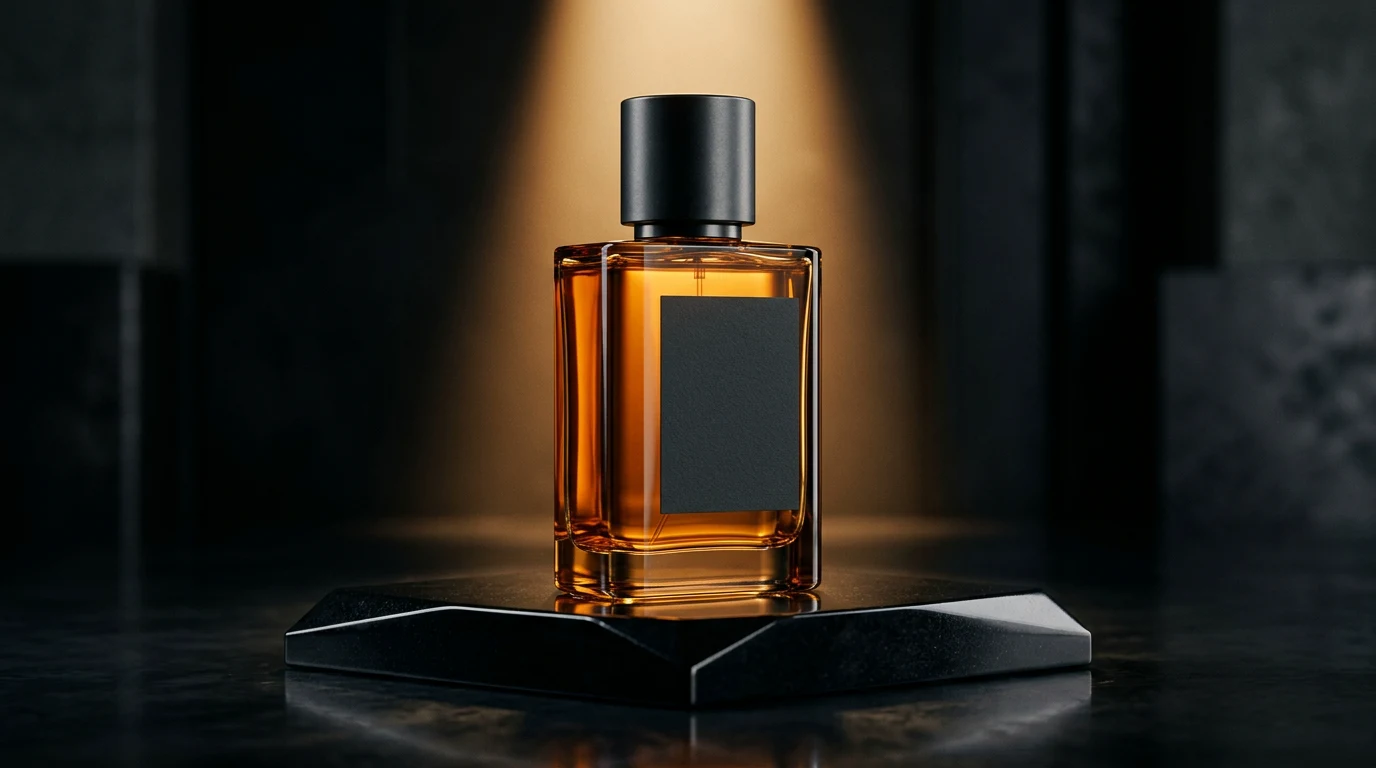
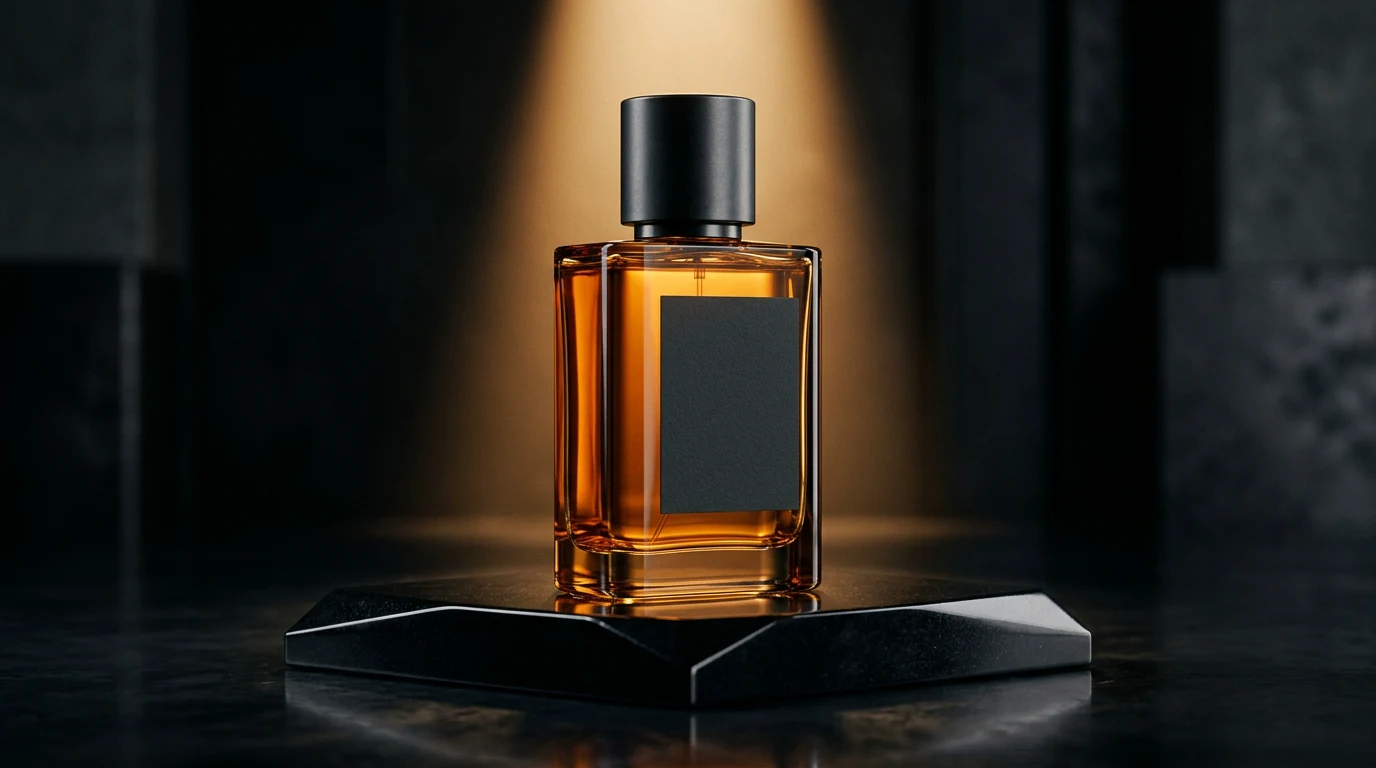
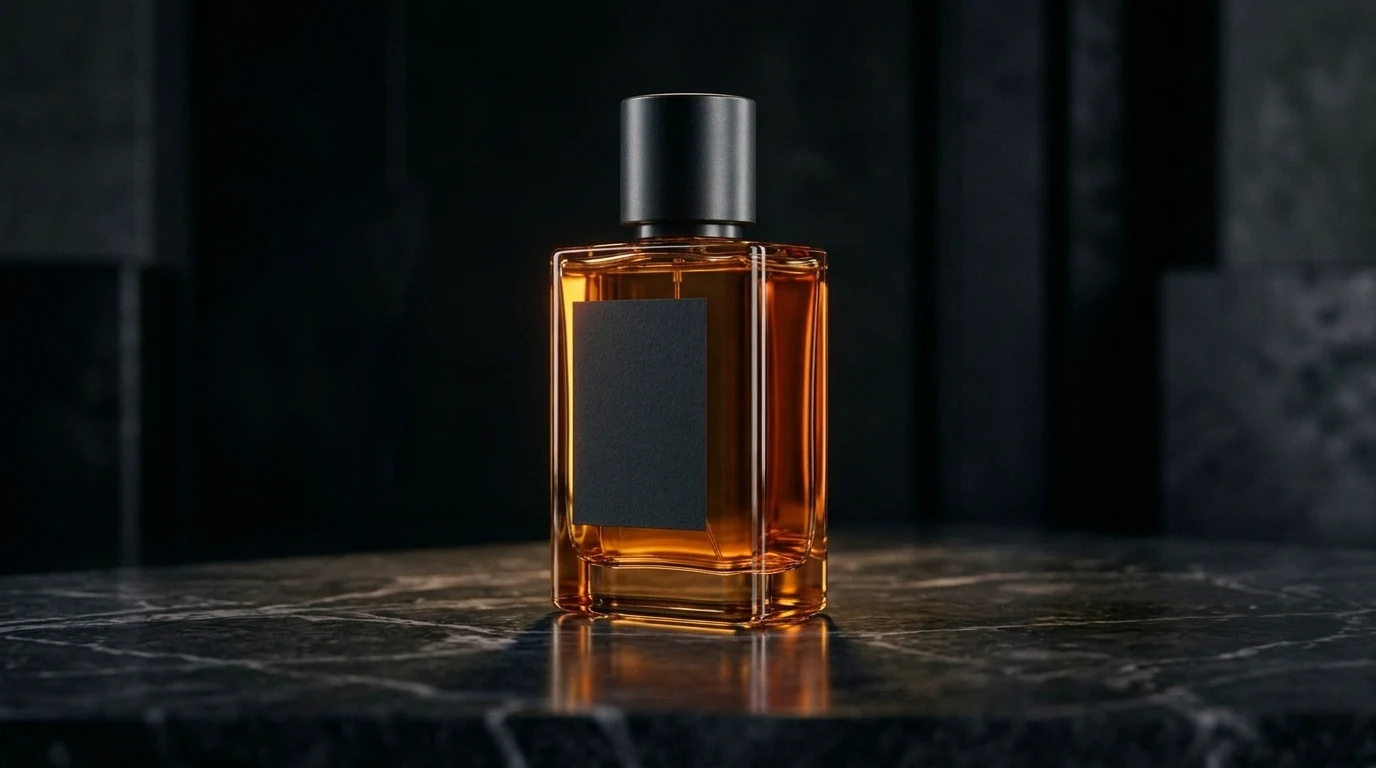
Imagine a fictional ecommerce fragrance brand with a simple amber-glass perfume bottle and a matte-black cap. The brand has approved the product photograph and wants to explore three different advertising directions. Each concept uses the same product reference, but tells a different visual story.
Style One: Cinematic Luxury
A cinematic luxury commercial focuses on controlled lighting, material detail, and a deliberate sense of atmosphere. The perfume bottle appears on a dark stone pedestal. A narrow beam of warm light reveals the glass edges. The camera moves slowly enough to appreciate the product, while the edit remains purposeful.
Suggested 15-Second Sequence
- 0–3 seconds: A striking close-up introduces the bottle.
- 3–7 seconds: A second angle reveals its silhouette and glass texture.
- 7–11 seconds: The product appears in a wider premium studio environment.
- 11–15 seconds: Clean hero shot with the brand's approved message.
The important detail is restraint. An expensive-looking commercial does not need random explosions, continuous particles, or complicated movements. Sometimes a clear product shot and one carefully designed transition communicate more than an overloaded sequence.
Best suited for: Luxury fragrance, premium skincare, jewellery, watches, and selected fashion accessories.
Style Two: Natural Lifestyle
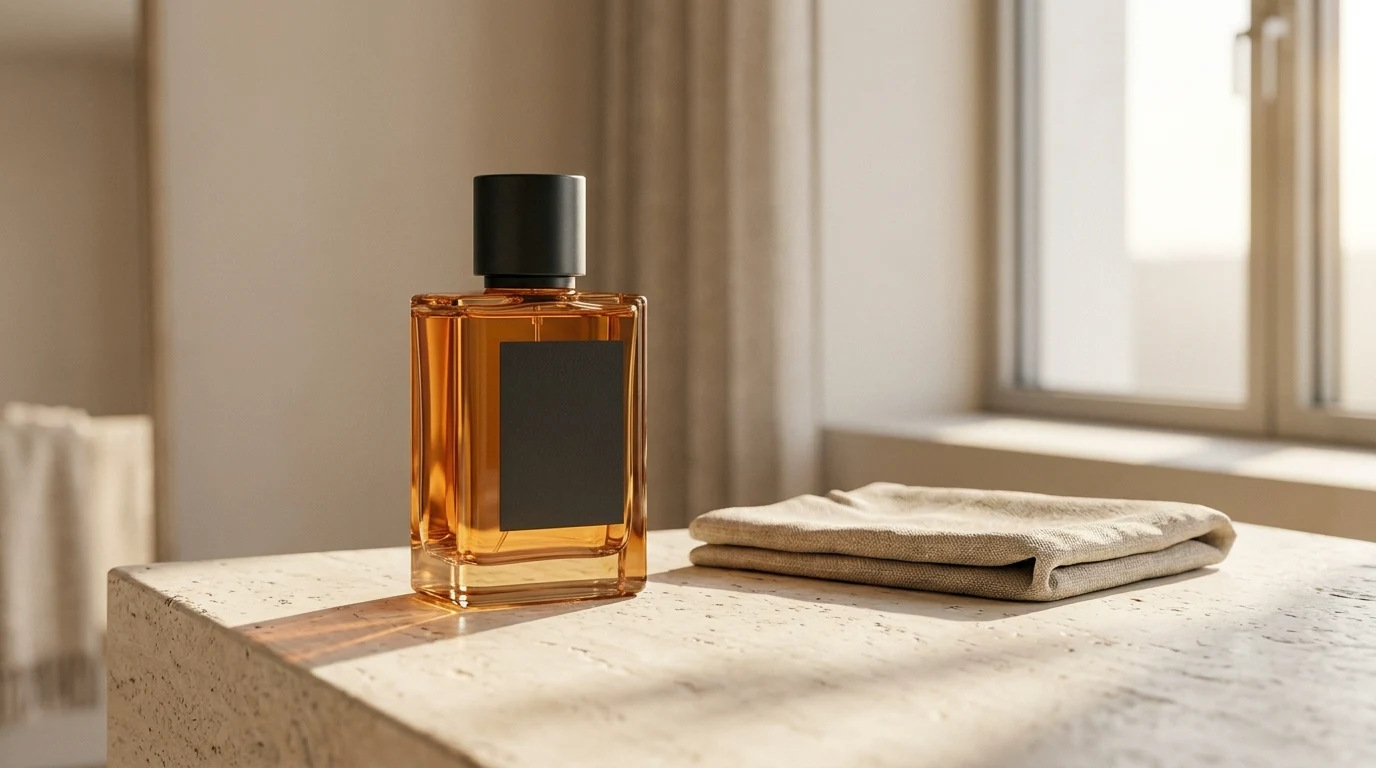
Lifestyle advertising places the product inside a believable environment. For our fragrance example, imagine the perfume bottle on an elegant dressing table near a softly lit window. The opening shot shows the environment. A closer shot reveals the product. The final frame presents the bottle naturally within the scene.
This approach can help customers connect the product with a recognizable experience.
However, AI-generated lifestyle scenes require additional quality checks. Reflections may be physically inconsistent, hands may interact incorrectly with objects, and the bottle itself may change between frames. For an early concept, a product-only lifestyle scene can avoid many of these problems.
Best suited for: Home fragrance, beauty, clothing, accessories, home decor, and lifestyle gifts.
Style Three: Bold Creative Advertising
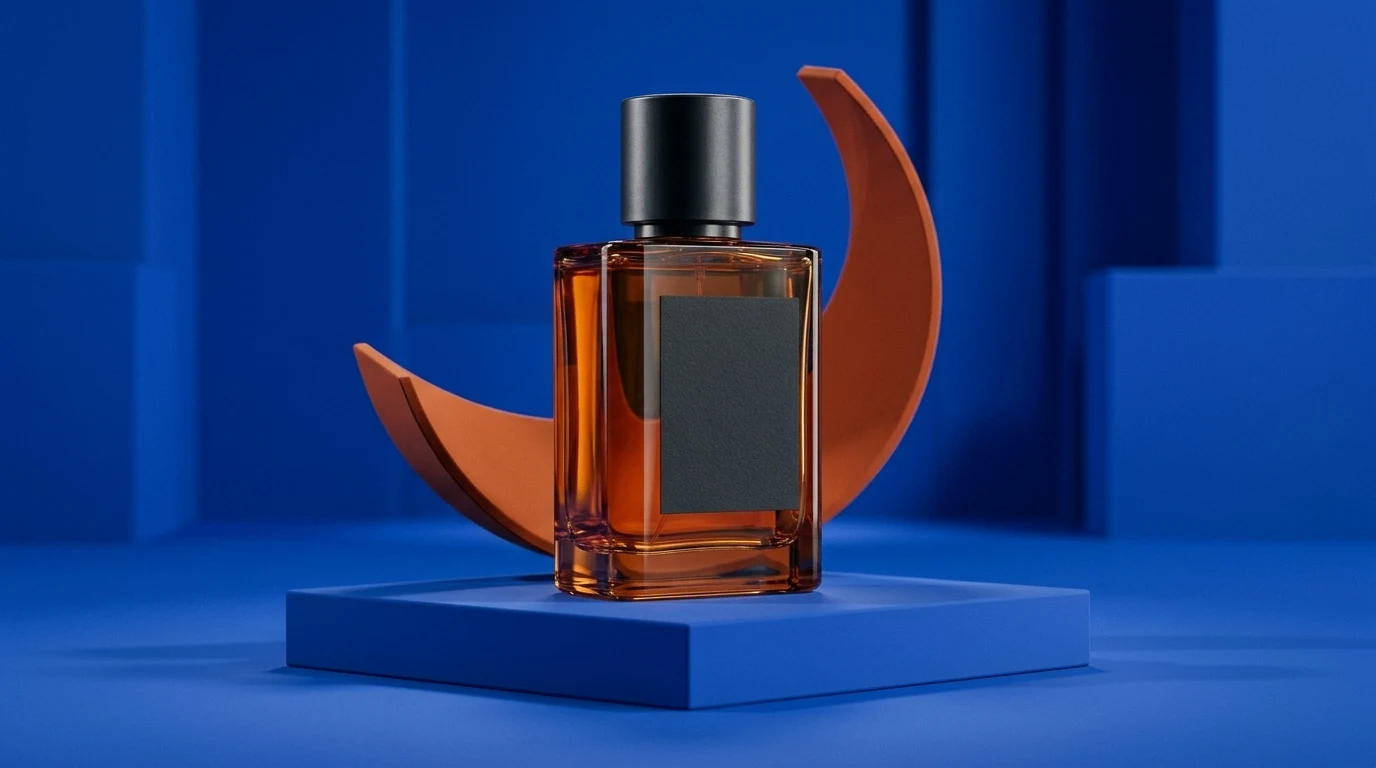
The third direction is designed to make a product visually distinctive within a crowded social media feed. Imagine the same fragrance bottle against a vivid cobalt-blue background with an architectural orange platform.
A quick camera movement introduces the product. A sharp transition changes the environment. The final shot holds the product clearly on screen. Unlike the luxury approach, this commercial can use strong color contrast and faster visual rhythm.
But even bold creative work needs structure. The product must remain recognizable. The advertisement should not become a sequence of effects that overwhelms the brand identity.
Best suited for: Product launches, social-first campaigns, younger audiences, beauty collections, and brands with expressive visual identities.
How to Produce an AI Product Commercial Step by Step
Producing an effective AI commercial requires more than uploading a photograph and asking a generator to make it cinematic. A structured workflow helps reduce unnecessary revisions and improves creative consistency.
Step 1: Start With an Accurate Product Reference
Use a clear, approved image of the real product. Before generating anything, document the features that must remain unchanged:
- • Bottle shape and proportions
- • Cap design and material
- • Label placement and text panel
- • Actual product colors
- • Packaging details
- • Distinctive identifying features
These details matter because AI video generation can introduce visual changes. If a bottle becomes wider, the label changes, or the cap takes on a different shape, the result may no longer represent the product accurately.
Step 2: Write a Creative Brief
A useful creative brief answers five foundational questions:
- Who is the audience? (e.g. shoppers interested in premium artisanal fragrances).
- What is the objective? (introduce a product, support a launch, or highlight craftsmanship).
- What makes the product distinctive? (authentic brand features).
- What should the advertisement communicate? (one central, clear message).
- What action should viewers take? (visit a product page or request more information).
Without this brief, even beautiful visuals can feel disconnected from the business goal.
Step 3: Create Consistent Reference Frames
Develop a small set of still images before creating animated scenes. For a 15-second fragrance commercial, three to five strong reference frames may be enough to establish the creative direction. Review each image for product accuracy, lighting consistency, background quality, and composition. Do not animate a reference frame that already contains a major product error. Correcting problems during the still-image stage is usually easier than trying to repair them after animation.
Step 4: Plan Individual Shots
A common mistake in AI advertising is attempting to generate an entire commercial in one complicated prompt. A more controlled approach is to plan individual shots:
- • Shot A: Close-up of the bottle's glass texture.
- • Shot B: Three-quarter product view with intentional lighting.
- • Shot C: Wide hero shot featuring the complete product.
Each shot should serve a specific purpose. Keep unnecessary visual effects out of the prompt. Specify the subject, environment, camera movement, lighting, and intended duration.
Step 5: Generate and Review the Video
After producing the initial shots, examine them carefully. Look for changes in the product's design, unnatural movement, inconsistent reflections, flickering details, or camera moves that distract from the message. The best result is not necessarily the most complex one. Select the clips that represent the product faithfully and communicate the story clearly.
Step 6: Edit the Commercial
Editing gives the individual clips a unified rhythm. A polished advertisement may include:
- • Clean transitions between meaningful shots
- • Carefully timed sound effects & Foley
- • Consistent color grading
- • Readable typography & safe zones
- • Natural-sounding voiceover when needed
- • A clear final product shot & CTA
Avoid overcrowding the video with multiple selling points or excessive dialogue. For short-form campaigns, clarity is often more valuable than complexity.
Make the Advertisement Useful, Trustworthy, and Testable
A visually impressive AI commercial is not automatically an effective advertisement. It still needs a clear message, appropriate placement, accurate product representation, and a relevant offer.
Create Versions for Different Platforms
For YouTube Shorts advertising, Google's guidance recommends vertical 9:16 video assets. Other placements can have different requirements, so brands should check each advertising platform's current specifications before exporting. Plan composition early. Important product details and text should remain visible when an interface adds buttons, captions, or other overlays.
Protect Product Accuracy
AI should not invent features or performance claims that the product does not have. For example, a skincare commercial should not claim that a product treats a medical condition unless the business can legally and factually support that claim. The US Federal Trade Commission states that advertising claims must be truthful and supported by appropriate evidence.
Brands should also follow applicable platform requirements for AI-generated material. Google Merchant Center, for example, requires relevant AI-generation metadata for AI-generated product images submitted through its product feeds.
Compare Creative Concepts Carefully
Rather than assuming the boldest video will perform best, brands can prepare different creative directions and test them. Useful measurements may include:
- • Video retention rate
- • Click-through rate (CTR)
- • Product-page visits
- • Qualified inquiries
- • Conversion rate
- • Cost per acquisition (CPA)
Results depend on more than the video itself. Audience targeting, pricing, product-market fit, landing-page quality, and advertising spend also influence performance. For a fairer creative comparison, avoid changing every campaign variable at once. A premium visual deserves a meaningful business objective.
Start With a Focused AI Commercial Concept
For an ecommerce founder, creating video advertising does not have to begin with a large production. A practical starting point is one product, one audience, and one clearly defined creative idea.
You can then explore a cinematic product presentation, a lifestyle scene, or a more expressive social-first concept. Each direction answers a different marketing need.
At AI SiteFlow, we develop cinematic AI-assisted product commercials and creative concepts for ecommerce and premium consumer brands. We believe useful AI production begins with understanding the product and business objective—not simply adding more visual effects.
Request a Free Basic AI Ad Sample
Have a fragrance, skincare, jewellery, fashion, or other ecommerce product? AI SiteFlow offers an introductory free basic AI advertising sample for eligible business inquiries, subject to scope and availability.
Share your product, website, and intended audience. We can review the brief and discuss a simple creative direction. The free sample is intended to demonstrate an initial visual concept, not a guaranteed finished campaign or advertising result.
For complete commercial campaigns, email our directors directly at build@aisiteflow.agency to discuss deliverables, production scope, and turnkey pricing.
Sources and Further Reading
- Shopify — Types of Video Marketing for Ecommerce Businesses
- Shopify — Video Marketing Trends in 2026
- Google Ads Help — YouTube Shorts Ads: Asset Specs and Best Practices
- Google Merchant Center Help — AI-Generated Content Requirements
- Federal Trade Commission — Advertising and Marketing Guidance
Editorial note: The fragrance scenarios in this article are illustrative concepts, not documented client campaigns. AI-assisted visuals should be reviewed for product accuracy and clearly identified where required.
Get a Free Basic Custom AI Ad Sample
Own a product or business? Let AI SiteFlow create a basic AI-powered advertising sample tailored to your brand.
Related Intelligence & Guides
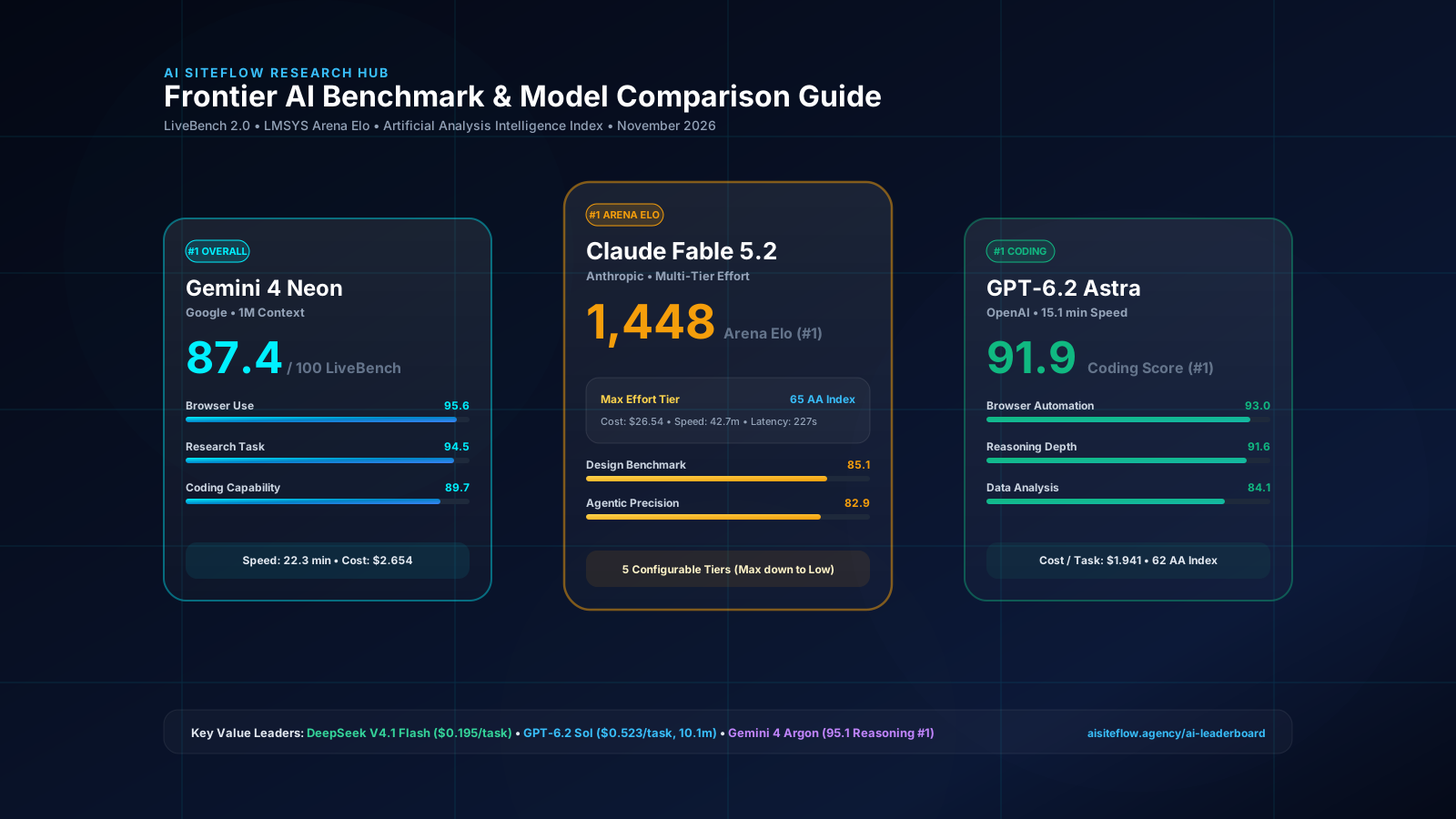
Frontier AI Model Leaderboard 2026: Comprehensive Benchmark Analysis, Speed, Cost & Architectural Comparison
An in-depth 2026 benchmark comparison across LiveBench 2.0, LMSYS Arena Elo, and Artificial Analysis. Discover why Gemini 4 Neon leads overall agentic workflows, Claude Fable 5.2 tops Arena Elo, and DeepSeek disrupts production unit economics.
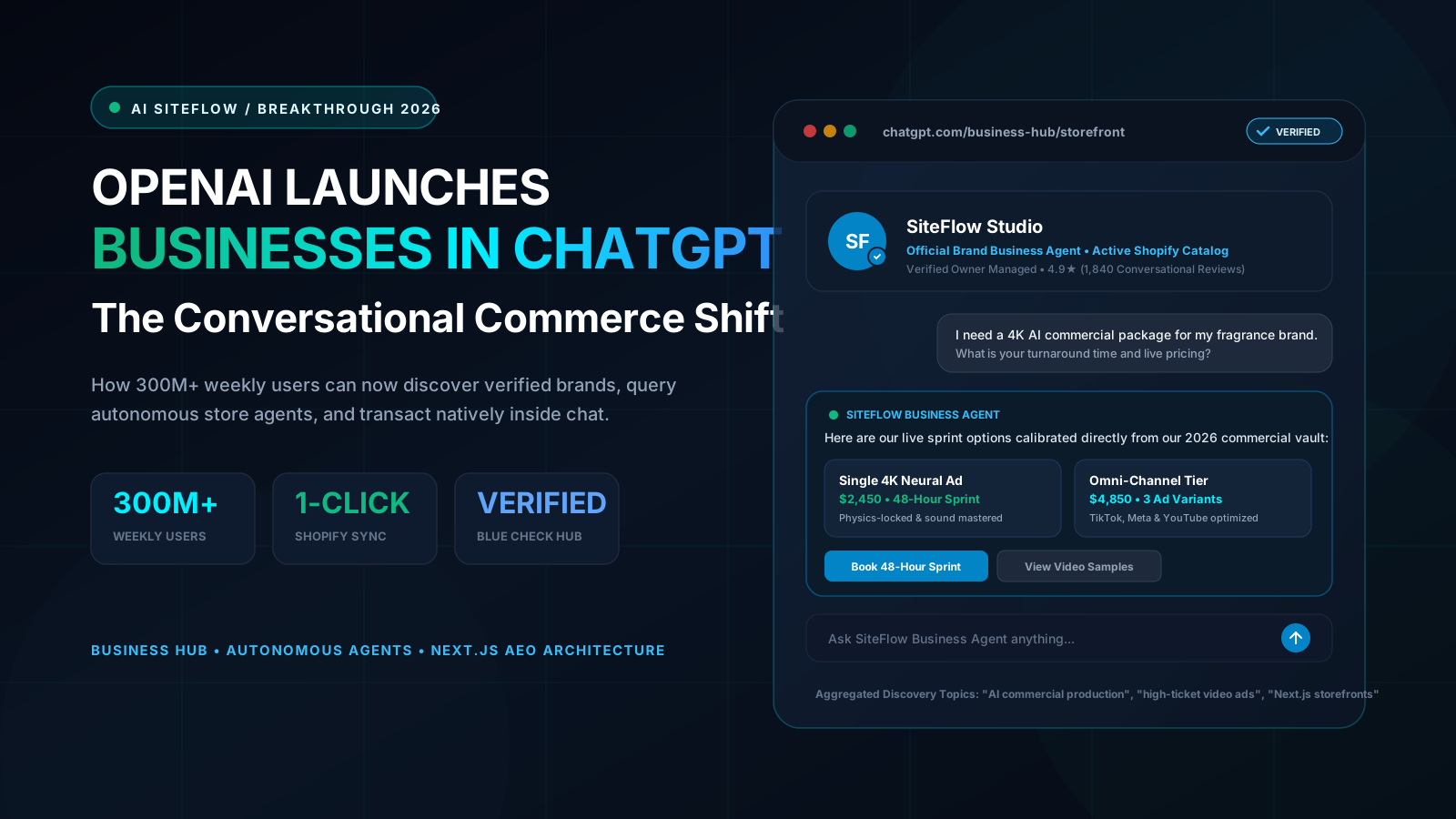
OpenAI Launches 'Businesses in ChatGPT': What Brands Need to Know About the 2026 Conversational Commerce Revolution
OpenAI has officially launched Businesses in ChatGPT, rolling out verified profiles, live Shopify catalog synchronization, and autonomous brand agents. Discover the complete 2026 architectural playbook for conversational search and ecommerce.
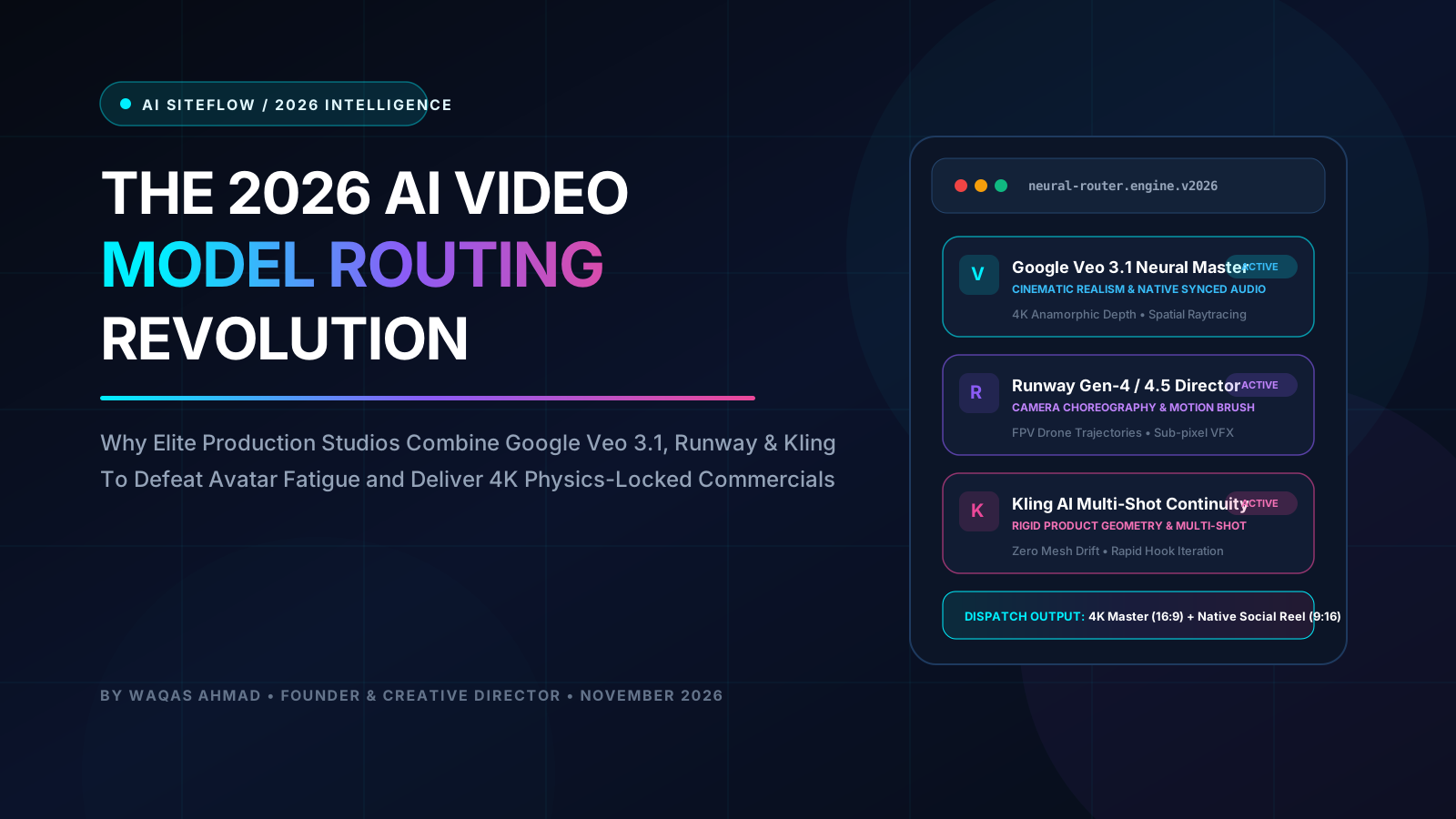
Today's AI Video Commercial Breakthrough (2026): Why Model Routing Replaces Cheap UGC Avatars with 4K Neural Cinema
Discover the late 2026 AI video breakthrough: why OpenAI's Sora exit reshaped ad production, how multi-model routing (Google Veo 3.1, Runway Gen-4 & Kling) defeats avatar fatigue, and how AI SiteFlow engineers 4K neural commercials.
Ready to Elevate Your Brand With AI Commercials?
From single high-impact commercial launches to full-scale monthly video pipelines. Explore our benchmark portfolio or commission your custom sprint today.