
AI Video Ads for Business in 2026: Costs, Benefits, Examples and How to Get Started
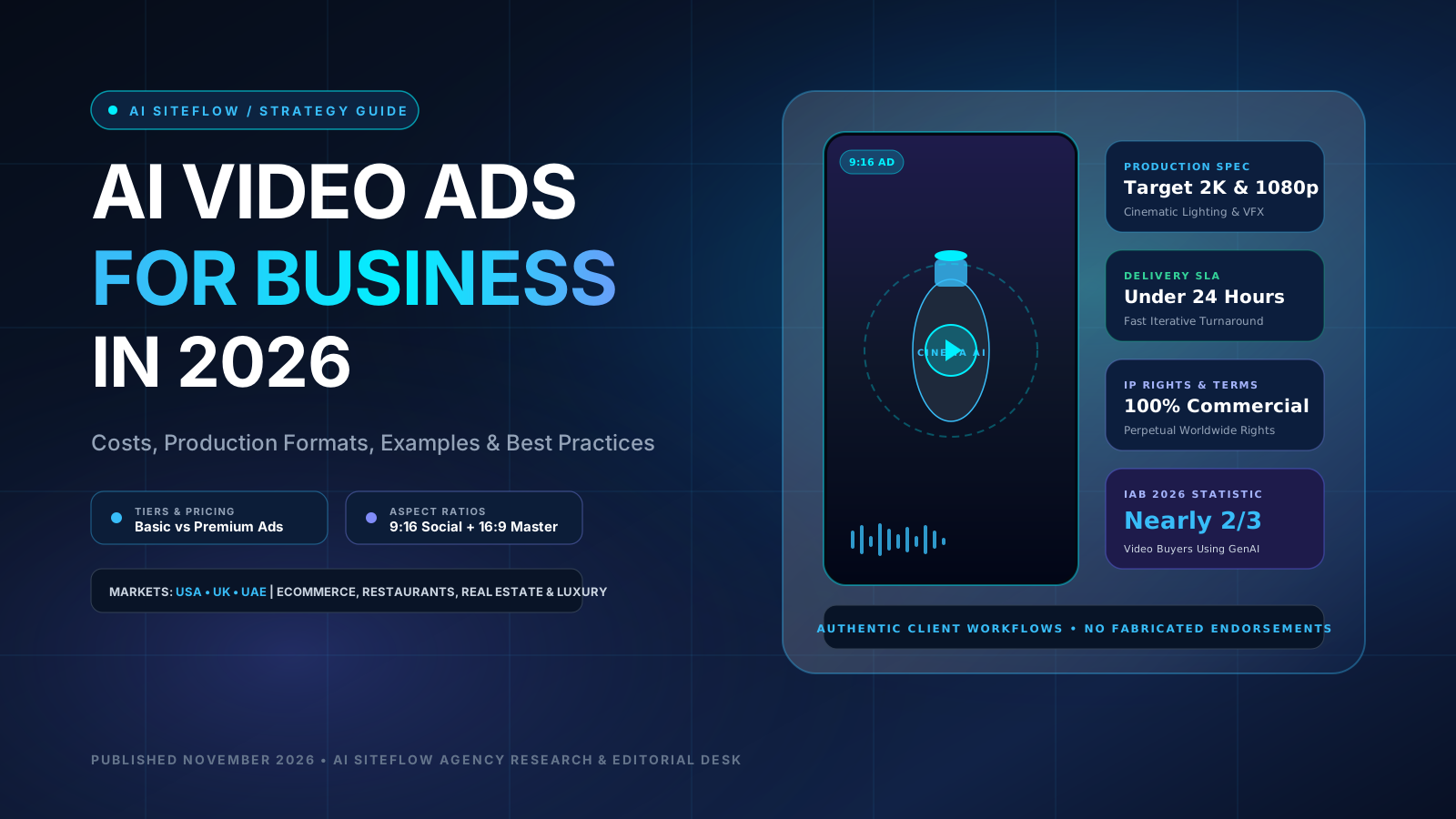
AI video ads are changing how businesses create commercials, showcase products and develop advertising campaigns. From cinematic product launches to luxury property promotions, AI-assisted production offers brands new ways to turn creative ideas into video content without relying exclusively on conventional filming.
But are AI-generated commercials worth the investment? How much should a business expect to pay? And how do you choose between a simple AI product ad and a premium cinematic production? This guide answers the most important questions for businesses considering AI video advertising in 2026.
What Are AI Video Ads?
AI video ads are promotional videos created or enhanced using artificial intelligence. AI may help generate visual scenes, animate products, develop environments, refine footage or support editing.
Rather than assembling a complete physical production for every scene, creative teams can use AI-generated imagery and motion alongside traditional editing, compositing, sound design and human creative direction.
For example, a fragrance brand might create a cinematic product commercial featuring a perfume bottle surrounded by flowing gold, dramatic lighting and abstract environments. A real estate company could use AI-assisted architectural visuals to present the atmosphere of a luxury property.
The important distinction is that AI generates creative possibilities, while professional production turns those possibilities into a coherent brand advertisement.
Why Are Businesses Investing in AI Video Advertising?
AI advertising is no longer limited to experimental projects.
According to the Interactive Advertising Bureau's 2026 Digital Video Ad Spend report, nearly two-thirds of surveyed digital video advertising buyers were already using generative AI for creative production.
Brands are considering AI video production for several practical reasons:
1. More Creative Flexibility
AI can help create stylized environments, complex transitions, imaginative product reveals and visual concepts that could otherwise require elaborate production setups.
A simple skincare product can become the centerpiece of a luxury cinematic scene. A vehicle can appear inside a futuristic environment. A product can transform between settings in ways that are difficult to achieve with ordinary filming alone. These capabilities are especially useful when visual storytelling is central to the brand.
2. More Advertising Concepts to Test
Businesses often need multiple creative approaches rather than a single advertisement. One concept might focus on product quality. Another might introduce a special offer. A third could build an emotional connection with potential customers.
AI-assisted workflows can make creative exploration more practical, although complex scenes and quality control still require time and expertise.
3. Flexible Content for Different Campaigns
A business may need vertical videos for short-form social advertising and horizontal videos for other placements.
Google Ads video specifications support common orientations including 9:16 vertical, 16:9 horizontal, and 1:1 square. The best format depends on where the campaign will run. Professional production should begin with the intended platform, audience and campaign objective rather than treating every video as interchangeable.
AI Video Ads vs Traditional Video Production
AI commercials and traditional production each have strengths.
Traditional filming is often essential when a brand needs authentic human performances, real locations, physical product demonstrations or documentary-style evidence. AI-assisted production can be particularly effective for imaginative visual concepts, stylized product scenes, motion design and virtual environments. Many businesses benefit from combining both approaches.
| Production Factor | AI-Assisted Video | Traditional Video |
|---|---|---|
| Creative environments | Can generate virtual scenes | Usually requires physical or digital production |
| Real people and locations | May be simulated or enhanced | Directly captured |
| Product storytelling | Strong for stylized concepts | Strong for authentic demonstrations |
| Production requirements | Depends on generation, editing and review | Depends on crew, equipment and logistics |
| Revisions | Some edits may require regeneration | Some edits may require reshoots |
| Quality control | Requires careful consistency checks | Requires filming and post-production checks |
Neither approach guarantees stronger advertising performance. The best choice depends on the actual business objective, creative concept and audience expectations.
What Types of Businesses Can Use AI Video Ads?
Ecommerce and Product Brands
AI product video ads can showcase cosmetics, watches, fragrances, clothing, accessories and consumer electronics.
A commercial might highlight product details through close-up visuals, controlled lighting, animated backgrounds and a clear product reveal. Product accuracy matters: advertising visuals should not misrepresent a product's actual features or performance.
Real Estate and Property Marketing
Luxury real estate marketing often depends on atmosphere. AI-assisted videos can help present architectural concepts, lifestyle scenes and cinematic property storytelling.
However, concept renderings must be clearly distinguished from actual property footage. Buyers should not be led to believe that fictional features exist in a real listing.
Restaurants and Hospitality
Restaurants, hotels and hospitality brands can use video advertising to showcase food, interiors, atmosphere and brand identity.
A short restaurant commercial might feature dramatic food close-ups, carefully coordinated camera movement and a memorable brand ending. For food advertising, visual authenticity and accurate presentation remain essential.
Automotive and Luxury Brands
Automotive commercials frequently use sophisticated lighting, dramatic motion and carefully planned visual sequences. AI-assisted production can support imaginative locations and cinematic effects, particularly for concept-led campaigns. The same approach can serve fragrance, jewelry and other premium product categories.
How Long Should an AI Video Ad Be?
There is no single perfect advertising duration. The right length depends on the message, campaign objective and platform.
| Ad Duration | Possible Use |
|---|---|
| 6–15 seconds | Fast attention hooks and simple messages |
| 15–30 seconds | Product promotions and social campaigns |
| 30–45 seconds | More detailed product storytelling |
| 45–60 seconds | Brand narratives and cinematic showcases |
| Over 60 seconds | Longer-form storytelling where appropriate |
For many social advertising campaigns, 15–30 seconds is a useful starting point, not a universal rule. Google Ads also recommends video assets of different lengths and orientations depending on campaign type. A stronger video is not necessarily a longer video. It is one that communicates the right message to the right audience.
How Much Do AI Video Ads Cost in 2026?
AI video advertising prices vary considerably. A basic AI-assisted promotion can require much less production work than a commercial involving complex character animation, visual transformations, detailed product consistency and advanced compositing.
When comparing AI video production quotes, businesses should examine:
- Video duration: A longer commercial may involve more scenes, editing and review.
- Creative complexity: Complex transformations and VFX require additional work.
- Product consistency: Keeping packaging, branding and product details accurate may require multiple iterations.
- Script and creative direction: More developed campaigns need additional planning.
- Revision policy: The number and scope of included revisions affect the project.
- Delivery requirements: Different formats, languages and resolutions can affect cost.
- Usage rights: Music, licensed assets and commercial permissions must be considered.
The lowest quote is not automatically the best value. A commercial that fails to represent the product accurately can cost a business more than the difference between two production packages.
At AI SiteFlow, businesses can explore different production options based on their creative needs and budget. Explore our commercial portfolio and check transparent rates in our Commercial Production Intake.
Basic AI Ads vs Premium Cinematic AI Commercials
Not every business requires elaborate cinematic effects. Understanding the distinction helps teams allocate budget effectively:
Basic AI Video Ads
Basic production is suitable for straightforward promotional messages, short product showcases and simpler advertising concepts. Typical priorities include clear presentation, clean editing, readable branding and practical delivery specifications in 1080p Full HD.
Premium AI Commercials
Premium production focuses on more ambitious visual storytelling. A premium campaign may involve advanced creative direction, sophisticated camera movements, detailed visual effects, multiple scenes, carefully developed product reveals and more intensive post-production targeting 2K cinema resolution.
The difference should be visible in the creative execution—not merely in the resolution label. A beautifully planned 1080p commercial can be more effective than an unconvincing higher-resolution video.
What Makes an AI Video Ad Effective?
Start With a Clear Message
Before choosing an AI model or visual style, define what the customer should understand or do after watching the advertisement. Is the goal to introduce a product, communicate a unique benefit, invite inquiries or encourage purchases? A clear objective makes every creative decision more purposeful.
Make the Opening Relevant
The opening moments should establish an interesting idea, recognizable product or meaningful problem. An impressive visual effect can attract attention, but it should support the advertising message rather than distract from it.
Protect Brand Consistency
Professional commercials need consistent logos, colors, product shapes and brand identity. AI-generated scenes should be reviewed carefully for inconsistent packaging, unrealistic details or unintended visual changes.
Use Sound With Purpose
Music, voiceovers and sound effects can support the visual story. They must also be suitable for the intended advertising use and covered by appropriate licensing.
End With a Clear Call to Action
A commercial should make the next step obvious. Depending on the campaign, that may be visiting a website, booking a consultation, exploring a product or contacting the business.
Can AI-Generated Ads Actually Increase Sales?
AI can improve production flexibility, but AI video generation alone does not guarantee sales, leads or return on advertising spend.
Campaign results depend on the offer, creative quality, audience, distribution, landing page and advertising budget. A practical approach is to compare different creative concepts and monitor relevant performance metrics: completed views, click-through rates, qualified inquiries, cost per lead or conversions.
The goal is not simply to create an impressive video. It is to create advertising that supports measurable business outcomes.
How to Choose an AI Video Ad Agency
Before hiring an AI commercial production studio, ask five essential questions:
- Can I see relevant work? Look for examples that match your industry and desired production quality.
- What is included in the price? Confirm video length, creative development, editing, audio and output format.
- How many revisions are included? Understand which adjustments are covered and what constitutes additional work.
- What are the commercial usage rights? Ensure the agreement explains licensed assets, ownership and permitted usage.
- What is the delivery process? Confirm how briefs, previews, approvals and final files will be handled.
A professional studio should be able to explain its process without relying on exaggerated promises.
Create Your Next AI Commercial With AI SiteFlow
AI SiteFlow develops AI-assisted commercial concepts and video advertisements for businesses seeking polished, distinctive visual content across the USA, UK, and UAE.
Our creative focus includes cinematic product ads, luxury-oriented campaigns, restaurant promotions, real estate visuals, automotive concepts and branded video storytelling. Whether your business needs a straightforward product promotion or a more ambitious cinematic commercial, the right starting point is a clear creative brief.
Explore our work, choose the production direction that fits your brand and tell us what you want to achieve.
- Watch Our Commercial Portfolio
- Request an AI Commercial Intake
- Direct business inquiries: build@aisiteflow.agency
Frequently Asked Questions
Are AI video ads suitable for small businesses?
Yes. Small businesses can explore AI-assisted promotional concepts without necessarily choosing elaborate cinematic production. The appropriate approach depends on the budget and creative requirements.
Are AI video ads cheaper than traditional commercials?
They can be, especially for certain virtual environments and stylized scenes. However, advanced production, complex revisions and professional editing can still be significant expenses.
Can AI video commercials be used on Instagram, Facebook and YouTube?
Yes, when the video meets the platform's current advertising specifications, content policies and rights requirements. Different placements may need different formats (such as 9:16 vertical reels or 16:9 widescreen).
Is a 30-second AI video ad enough?
A well-designed 30-second commercial can communicate a clear product message. More complex storytelling may benefit from additional time.
Can AI-generated commercials be used commercially?
Potentially, but the rights depend on the AI tools, source materials, music, trademarks, likenesses and licensing terms involved. At AI SiteFlow, 100% full commercial distribution rights are transferred upon final approved delivery.
Do AI-generated ads need disclosure?
Disclosure requirements depend on the platform, jurisdiction and content. Businesses should avoid misleading audiences about realistic synthetic people, events, endorsements or product claims.
Research Sources
- IAB — 2026 Digital Video Ad Spend & Strategy
- IAB — Consumer Trust and AI Advertising
- Google Ads — Video Ad Specifications
- Google Ads — Creative Guidance
- Google Search Central — Helpful, Reliable, People-First Content
Editorial note: This article offers general production and advertising guidance, not a guarantee of ranking, leads, revenue or platform approval. Production features and commercial licensing must be confirmed for individual projects.
Related Intelligence & Guides
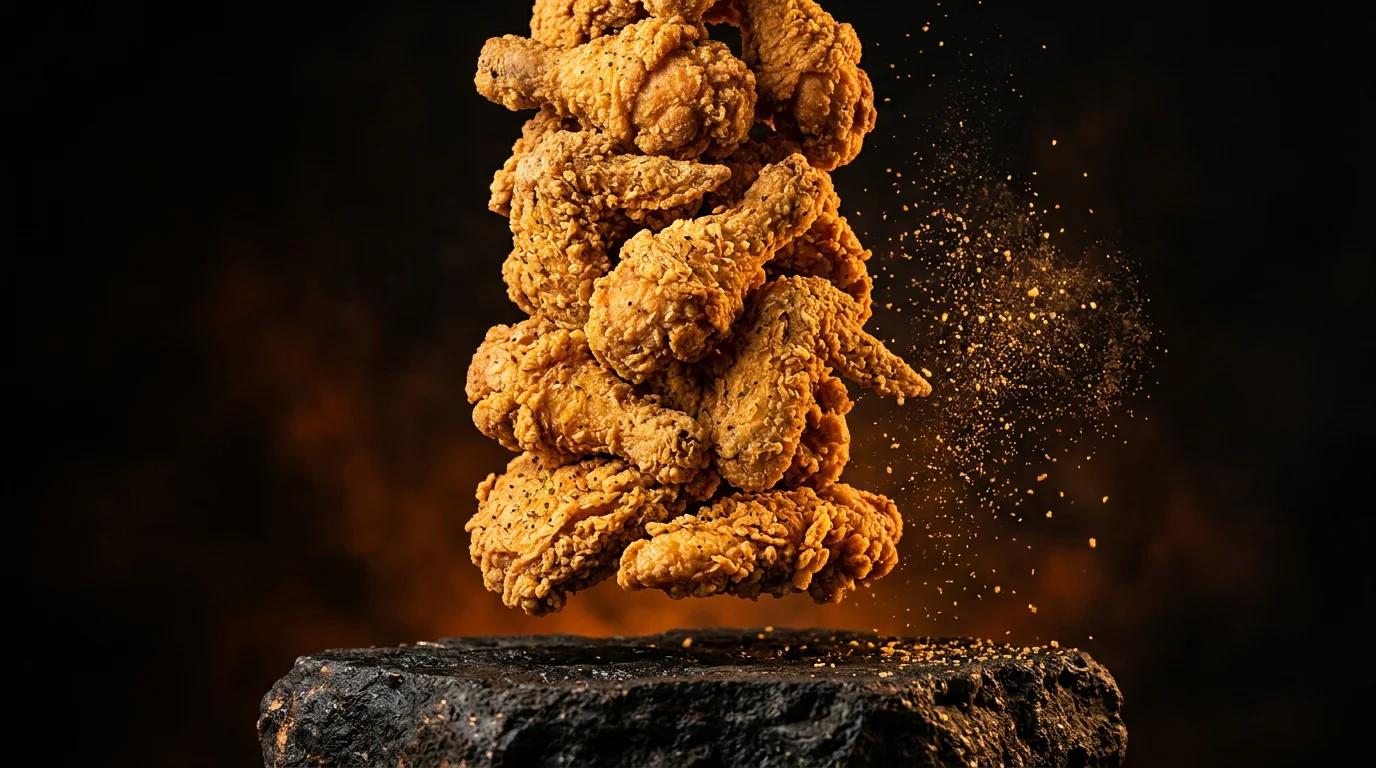
How to Create AI Food Commercials in 2026: Cinematic Fried Chicken Ads, Crispy VFX & Professional Production
A masterclass in modern AI food advertising: discover how cinematic fried chicken commercials are conceptualized, styled, simulated with crispy particle VFX, animated using Seedance 2.5 and Nano Banana 2.1, and edited into high-converting restaurant campaigns.
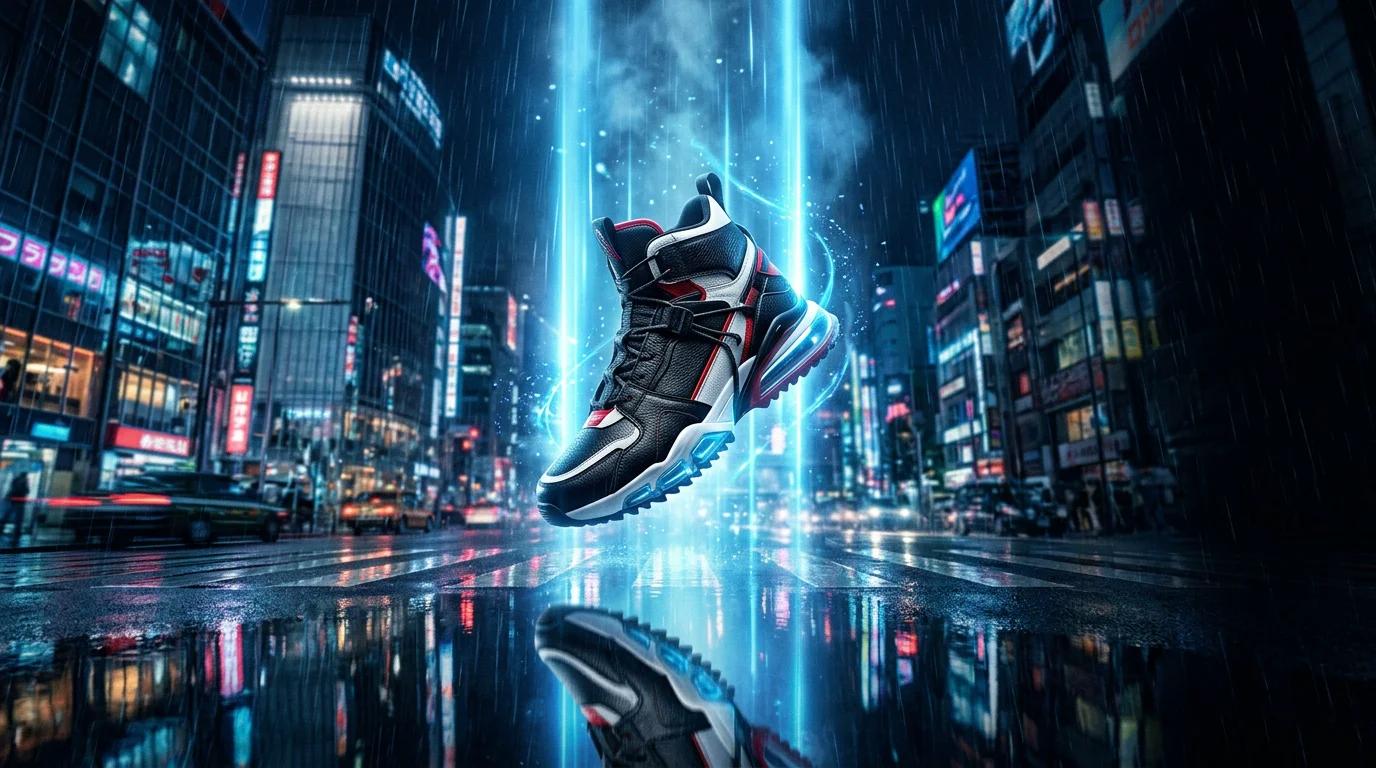
AI Nike Commercial Concept 2026: Zero-Gravity Sneaker VFX
An in-depth creative and technical case study exploring AI SiteFlow's unofficial Nike-inspired zero-gravity sneaker commercial. Discover how modern AI video generation, cinematic CGI, Seedance 2.5, and Nano Banana 2.1 enable brands and agencies to produce world-class product commercials.
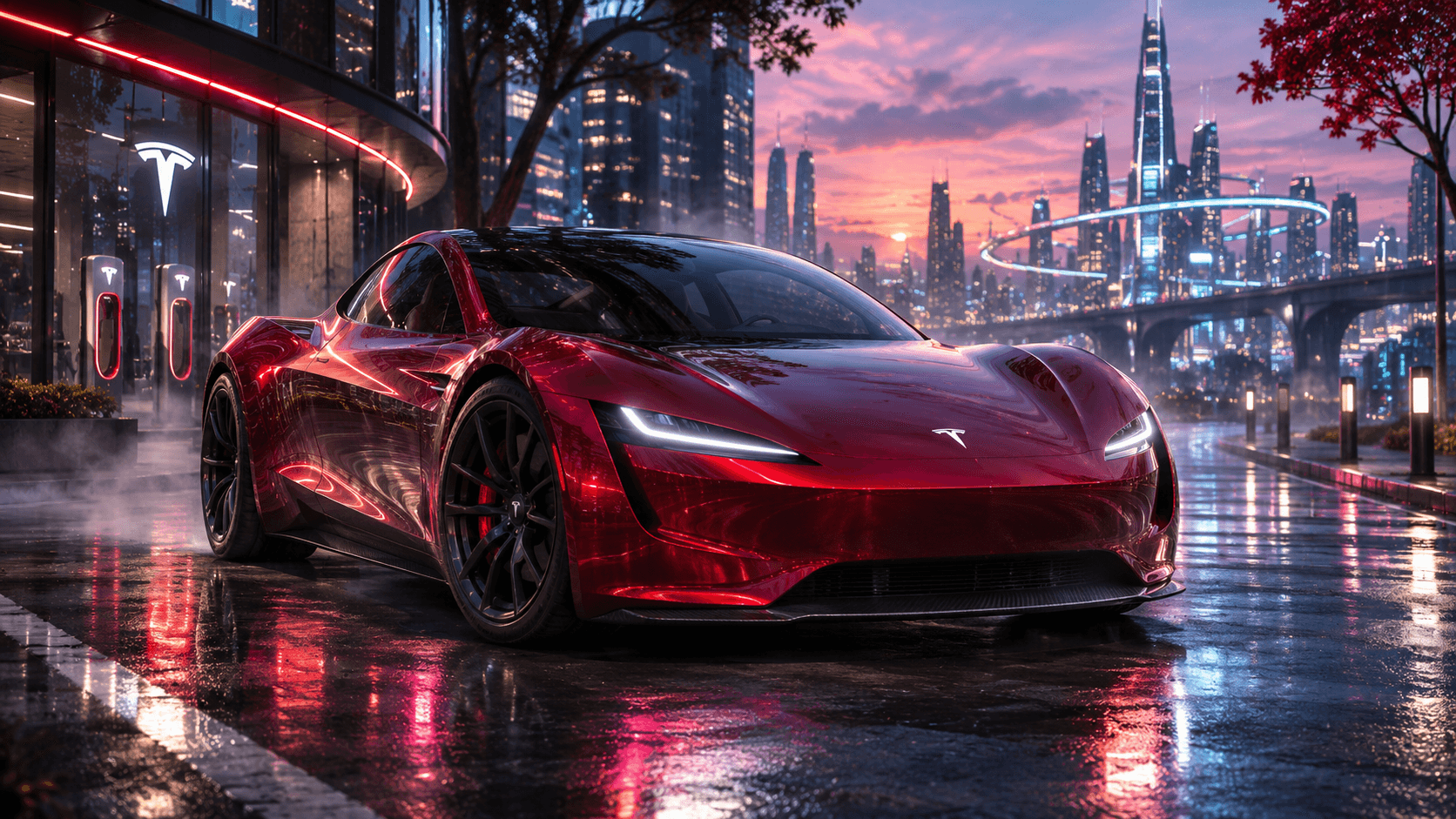
Tesla Roadster Flying Car 2026: What's Real, What's AI, and Can It Really Fly?
An evidence-based guide to Tesla's October 2026 Roadster demonstration, SpaceX-assisted thrusters, the difference between real engineering and cinematic AI, and what the technology means for the future of automotive advertising.
Ready to Elevate Your Brand With AI Commercials?
From single high-impact commercial launches to full-scale monthly video pipelines. Explore our benchmark portfolio or commission your custom sprint today.